Noke Vana and the Language of Life
Updated: Nov 20, 2025
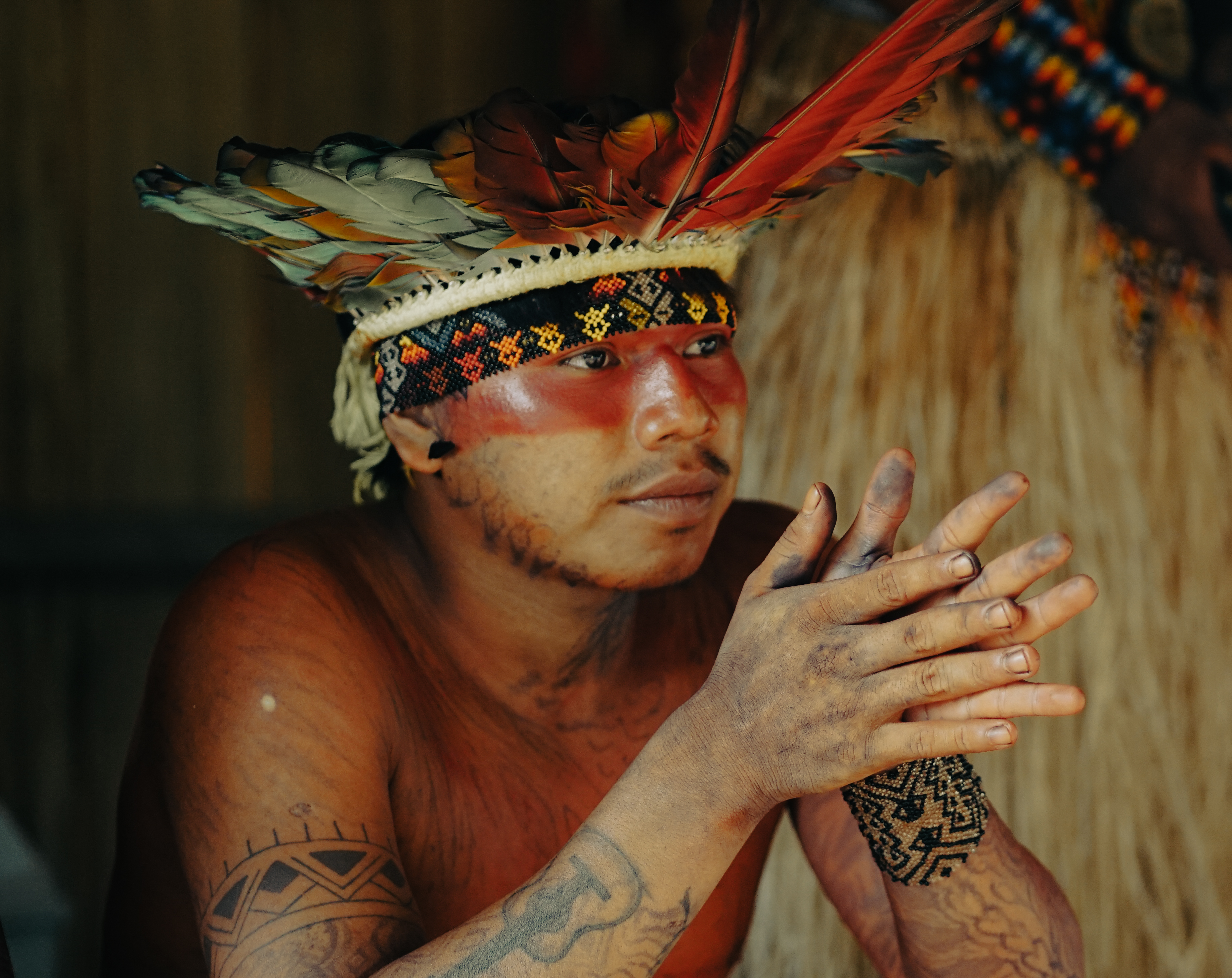
Deep in theheart of the Amazon rainforest, in the Brazilian state of Acre, lives a people who continue to speak the language of the forest — Noke Vana, the “true words” of the Noke Koi (also known as Noke Kuin or Noke Kui). In a world where Indigenous languages are disappearing at an alarming rate, the Noke Koi stand as a living testament to resilience. They are one of the few Indigenous groups in the Amazon whose entire population still speaks their ancestral tongue. Every conversation, every song, every story told in Noke Vana is an act of cultural continuity — a thread that connects the present to the ancient heartbeat of the forest.
Noke Vana, The Language of Life and Spirit

For the Noke Koi, Noke Vana is not simply a means of communication — it is a living expression of their worldview. The words themselves are woven with the rhythms of the forest, the songs of birds, the flow of rivers, and the wisdom of the ancestors.
In Noke Vana, language is alive. It is how the people speak to one another, but also how they speak to the plants, animals, and spirits that share their world. Every phrase carries layers of meaning — ecological, spiritual, and emotional — that cannot be fully translated into any other tongue. To lose such a language would be to lose an entire way of seeing and understanding life.
Why Language Preservation Matters for Humanity

From a historical and anthropological perspective, the preservation of Indigenous languages like Noke Vana is not just important for the Noke Koi — it is essential for all of humanity. Each language encodes a unique system of knowledge, a distinct way of perceiving reality. Linguists often describe languages as “archives of human experience.” When one disappears, a library of ecological, medicinal, and spiritual wisdom vanishes with it.
Scientific studies have shown that linguistic diversity often mirrors biodiversity. Where many languages thrive, so do many species. This is no coincidence — Indigenous languages have evolved in deep relationship with their ecosystems, carrying detailed knowledge about plants, animals, and natural cycles that science is only beginning to understand.
Preserving languages like Noke Vana therefore means preserving irreplaceable knowledge about the Amazon — the planet’s largest and most vital ecosystem. It is a key to understanding sustainable living, climate resilience, and the delicate interdependence between humans and nature.
A Living Bridge Between Generations
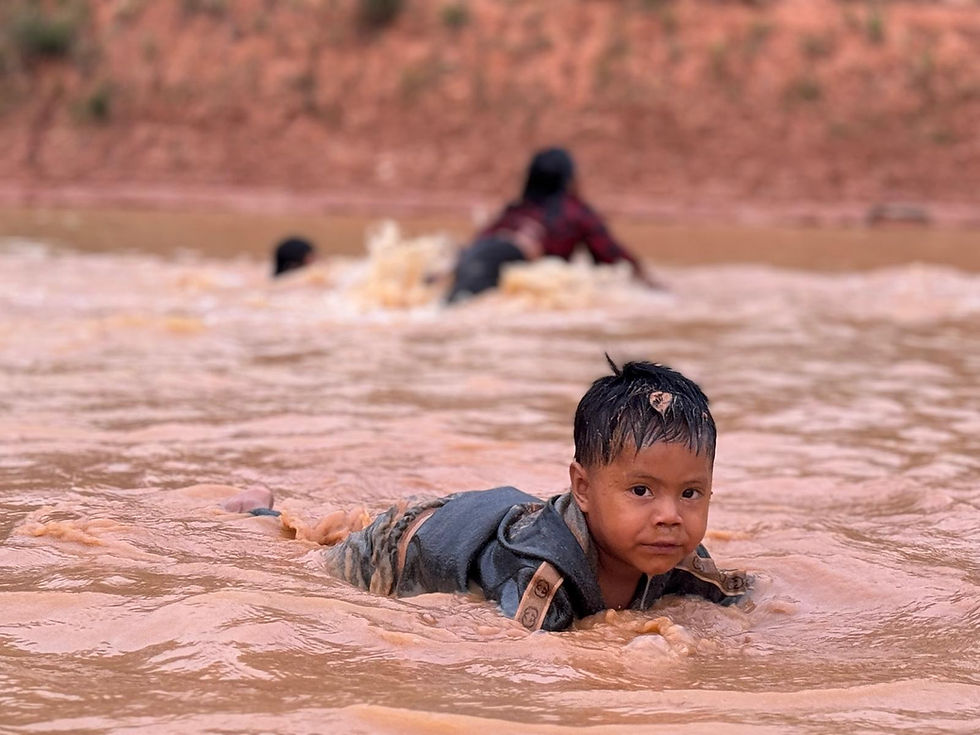
For the Noke Koi, teaching Noke Vana to their children is an act of love and resistance. It ensures that the next generation can speak with the same “true words” as their ancestors.
Language is the vessel through which values, stories, and spiritual teachings flow. When children learn Noke Vana, they inherit not only words but a worldview — one that honors reciprocity, respect, and balance with the Earth.
In the village, elders tell stories by the fire, passing down myths of creation, songs of healing, and lessons about the plants and animals. Each story is a seed planted in the hearts of the youth, ensuring that their identity remains strong even as the outside world changes rapidly around them.
The Global Significance of a Small Language
There are fewer than a few thousand Noke Koi people in existence, yet the language they speak carries universal importance. It reminds us that every culture, no matter how small, holds a piece of humanity’s shared wisdom.
When we protect Indigenous languages, we are not only safeguarding cultural heritage — we are protecting the diversity of thought, creativity, and knowledge that makes our species resilient. The survival of Noke Vana is a victory not just for the Noke Koi, but for all who believe that the world is richer when many voices and ways of knowing coexist.
True Words for the Future
In Noke Vana, the phrase for “true words” is more than a name — it is a promise. It speaks to the authenticity of a people who have remained true to their origins despite centuries of pressure to assimilate.
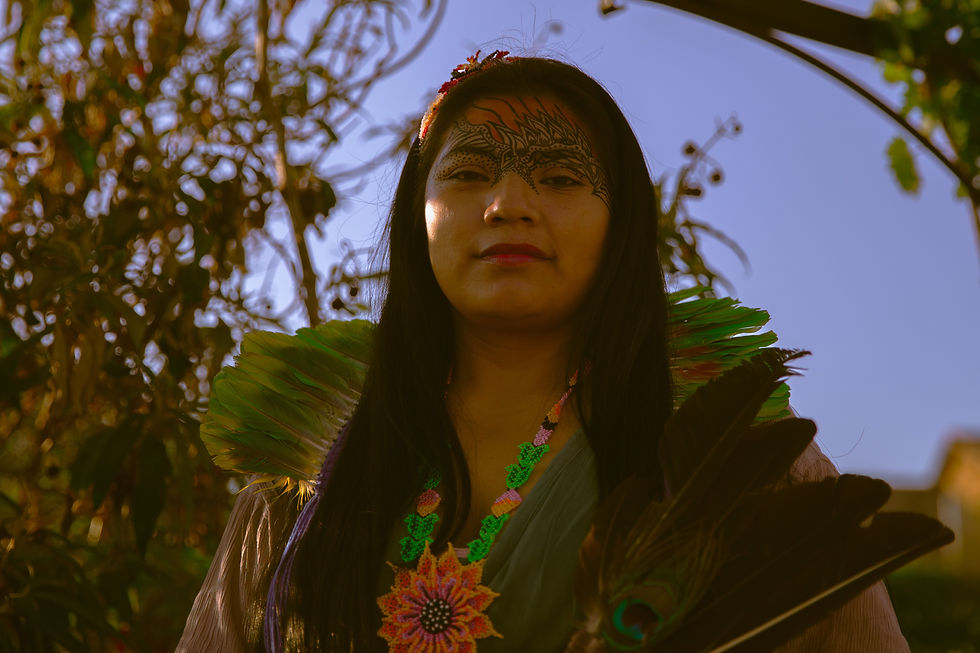
As the Noke Koi continue to speak, sing, and teach their language, they remind us that the future of humanity depends on the wisdom of its oldest voices. To listen to Noke Vana is to hear the forest speaking back — reminding us that our stories, our languages, and our lives are all part of the same living world.


Comments